Hardy Hibiscus

Picture of Keith
Keith
Owner

Hardy Hibiscus

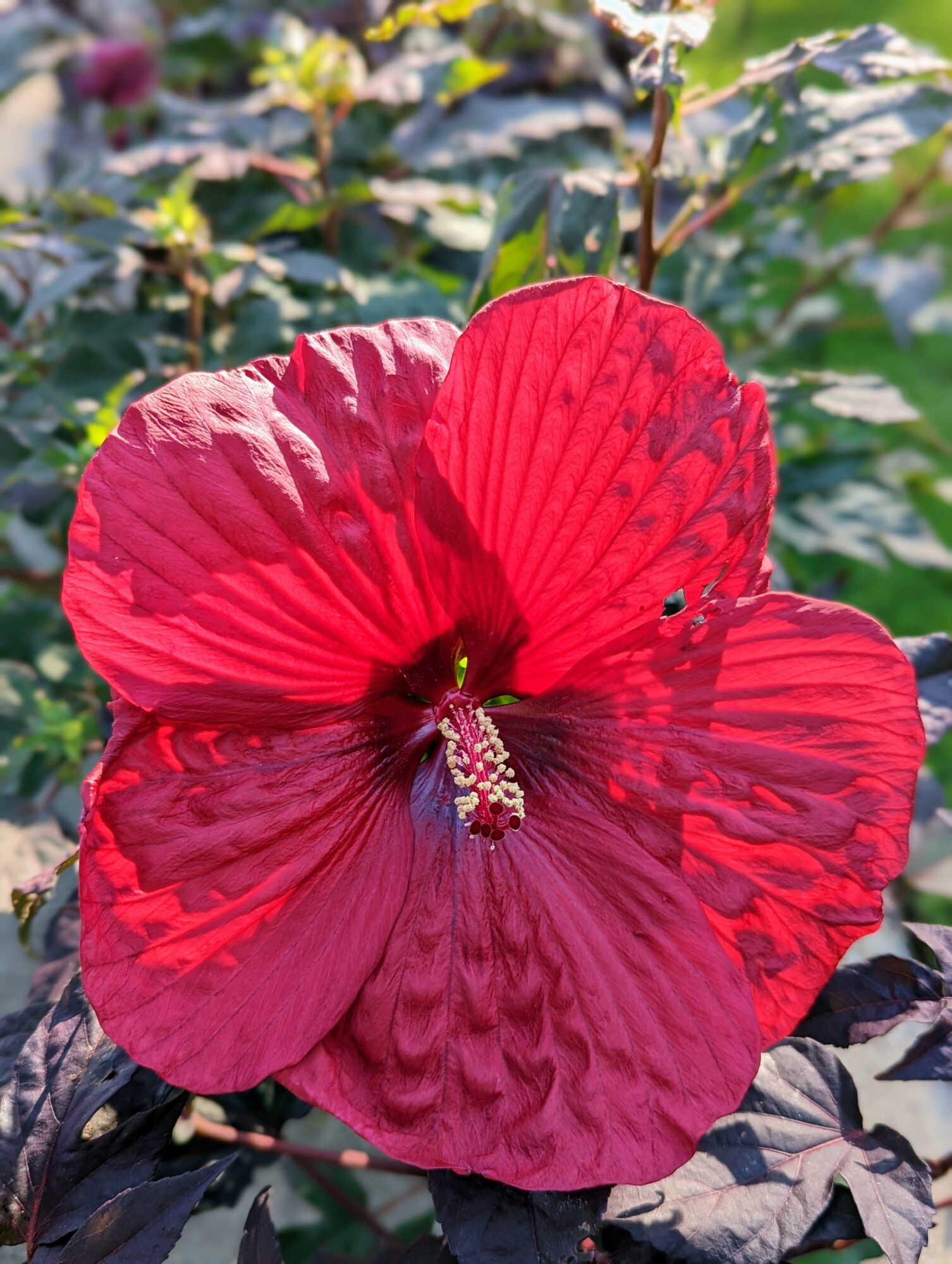
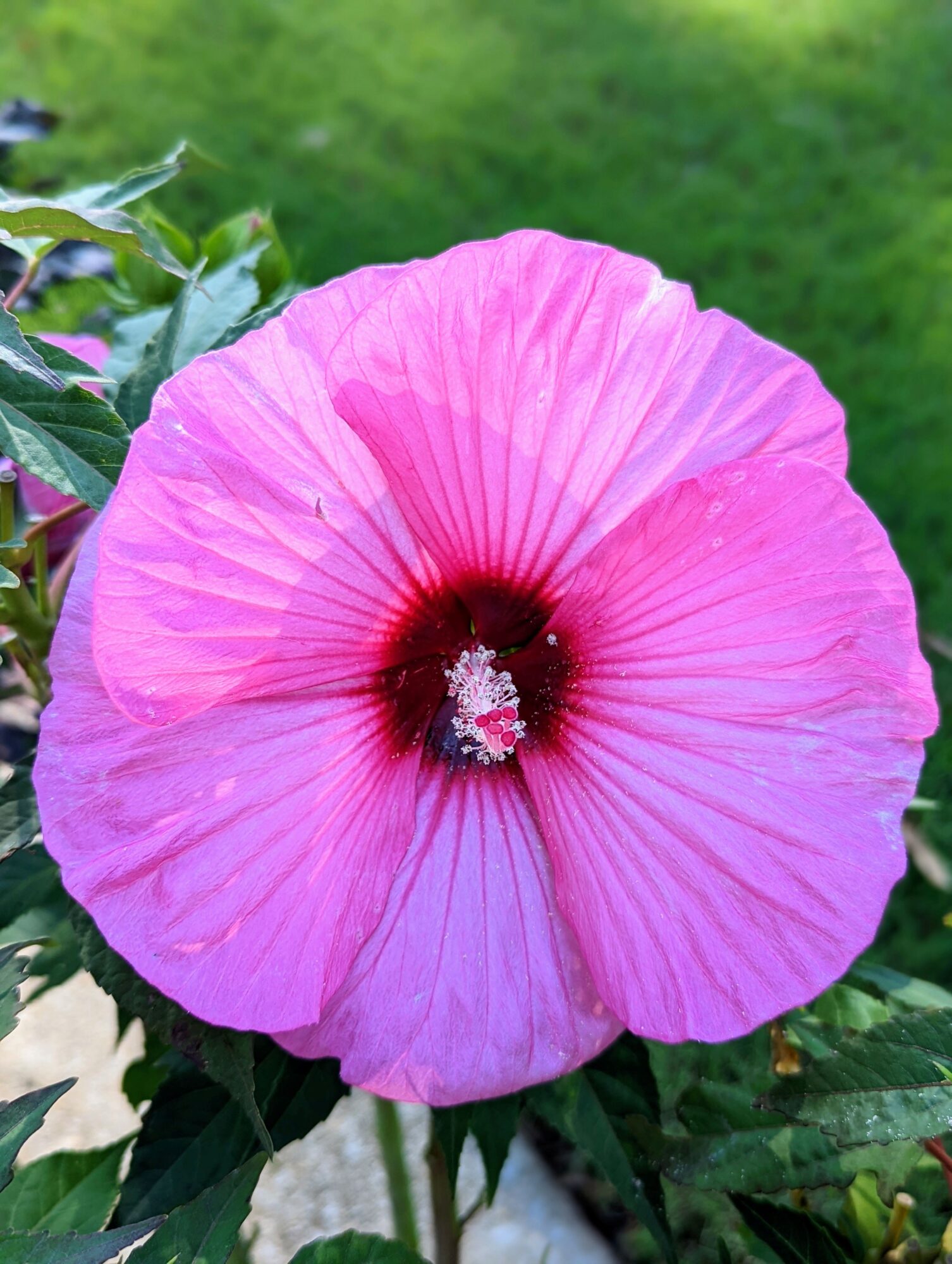
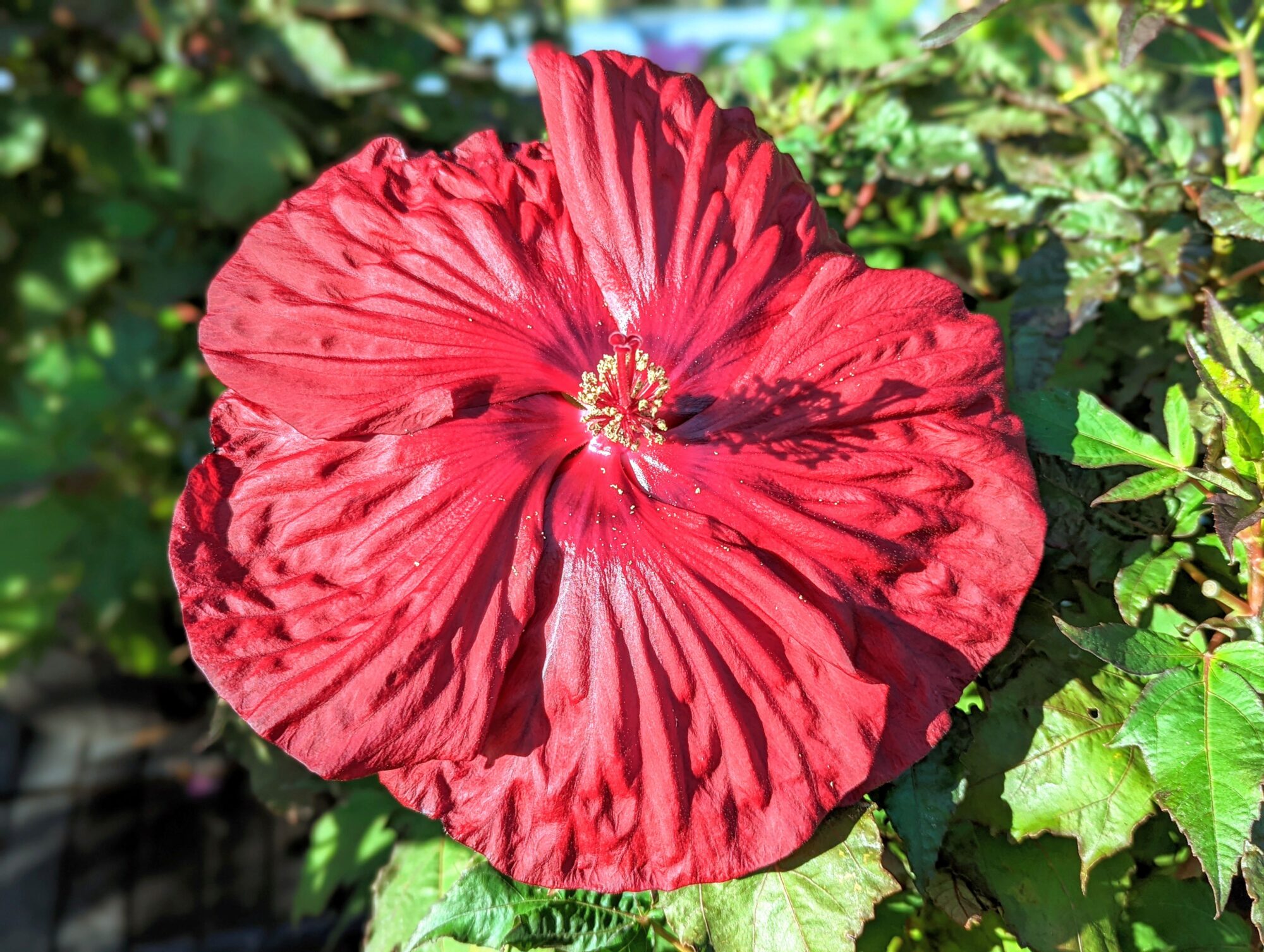
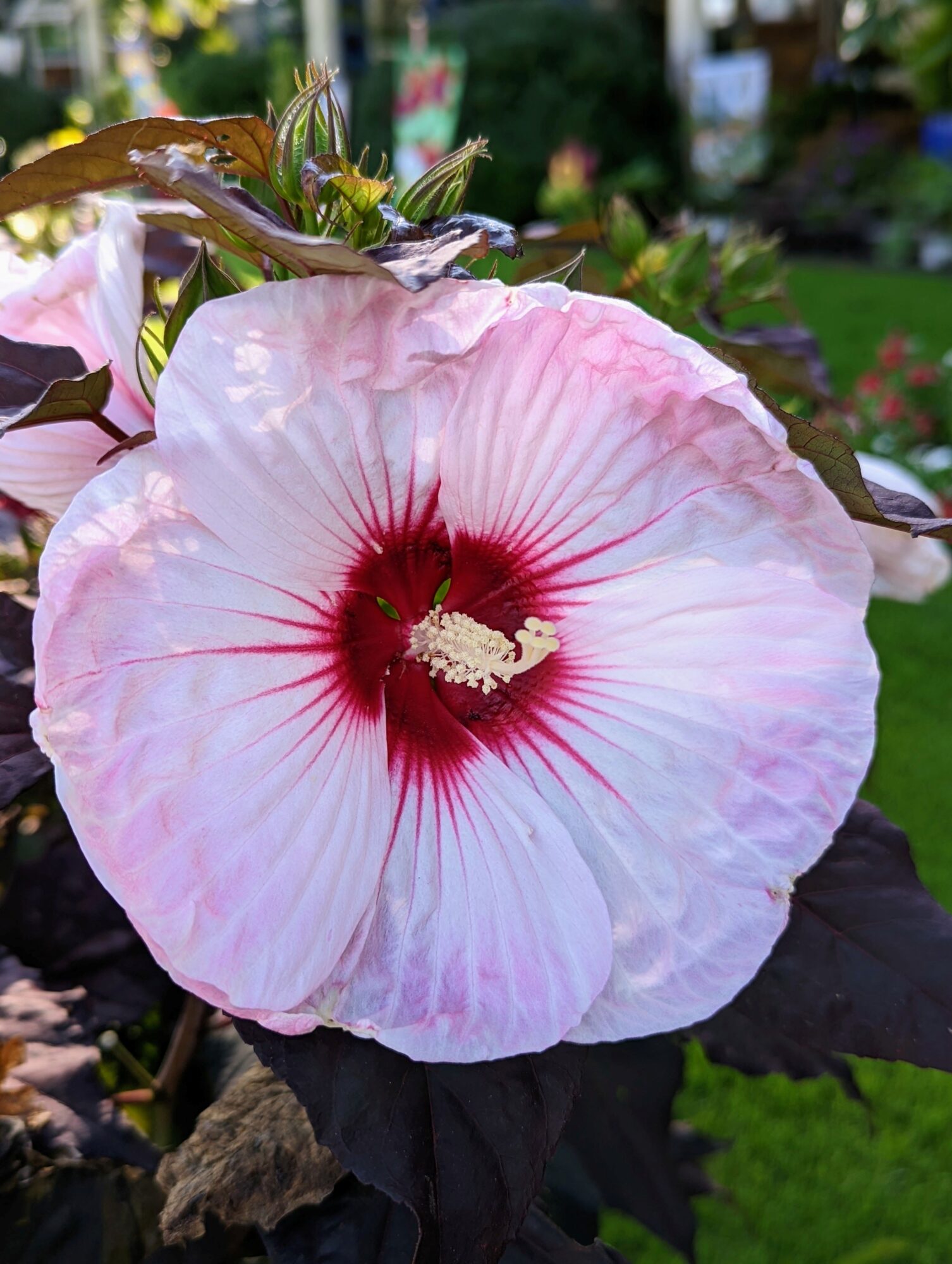
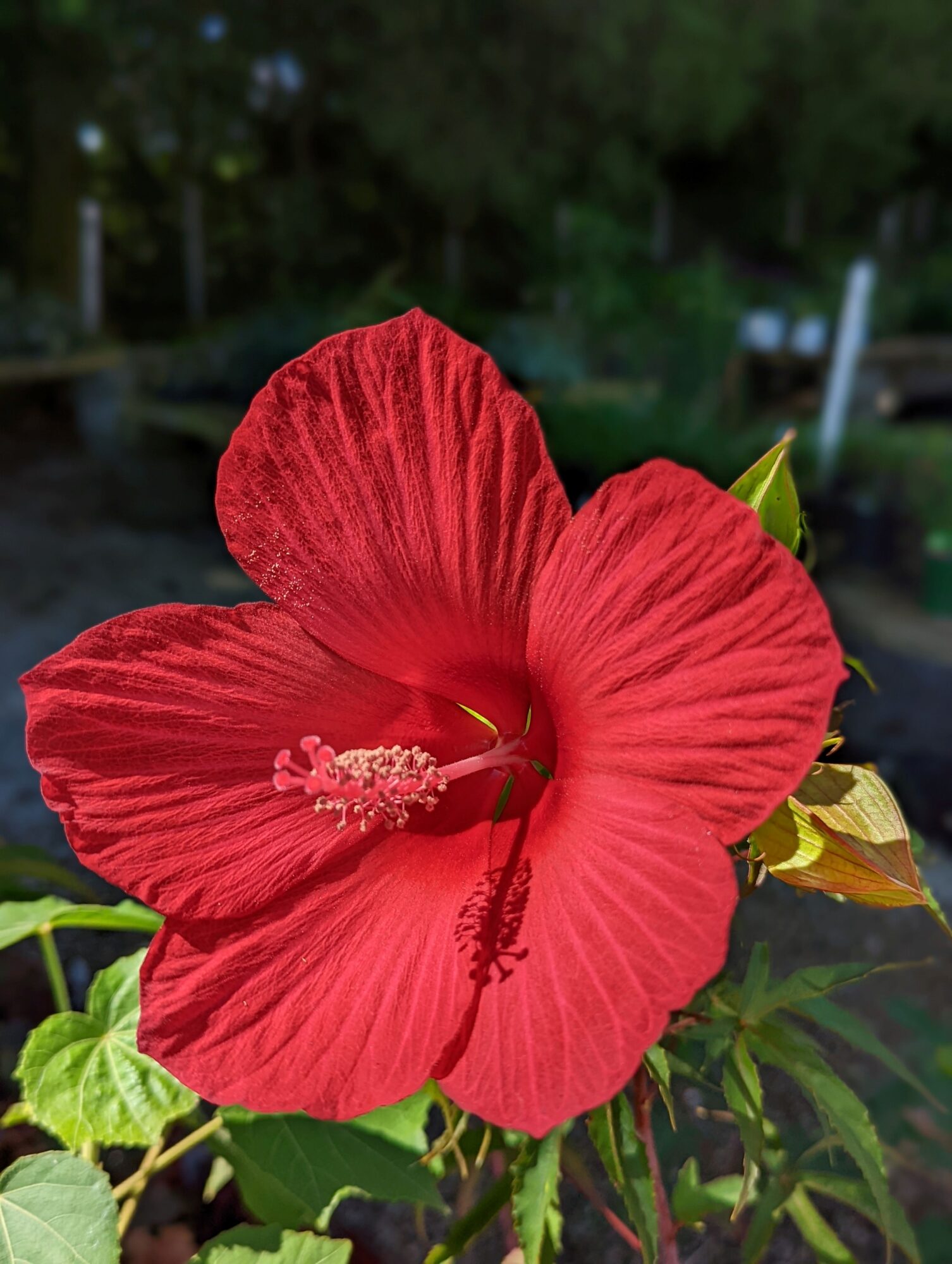
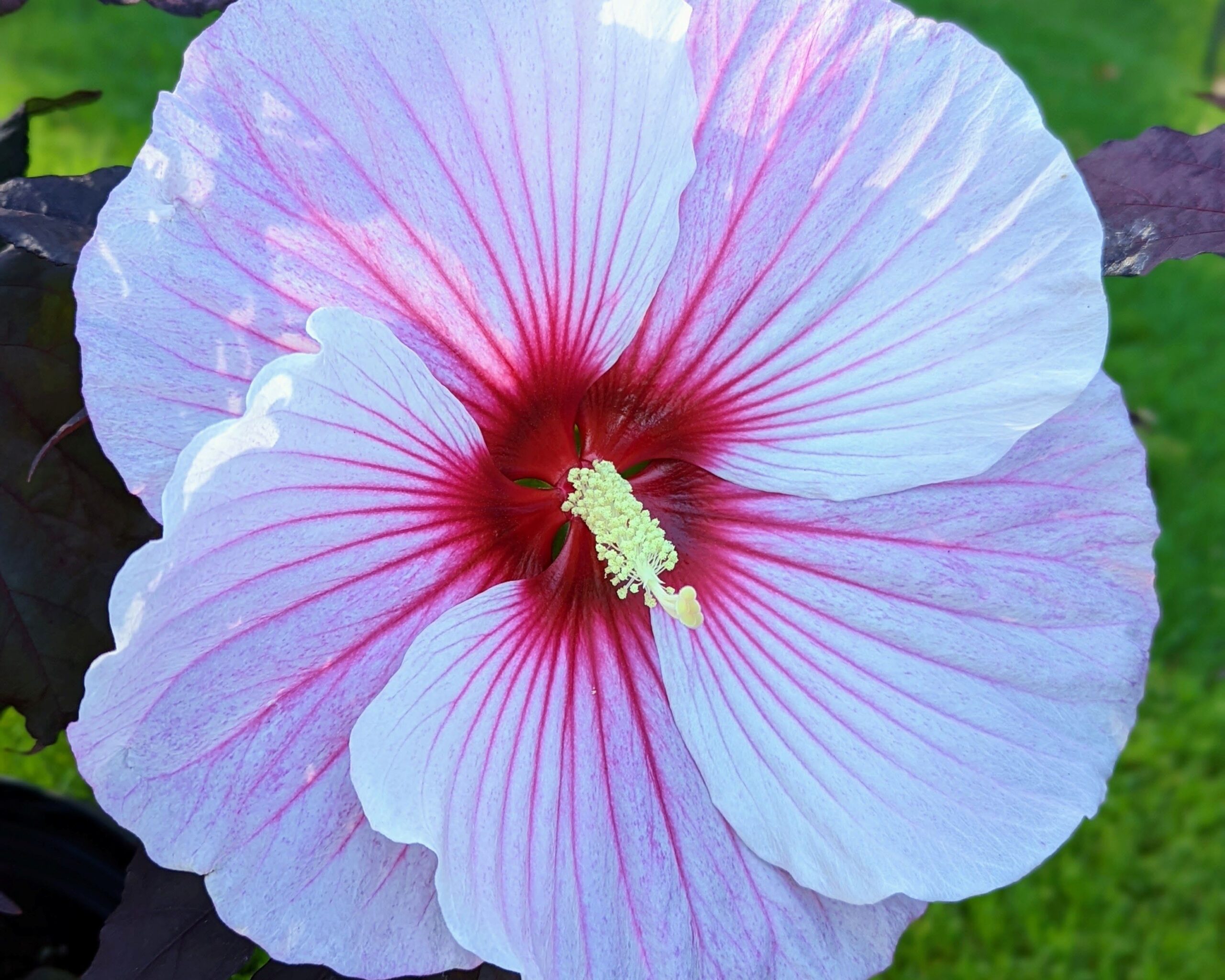
Hardy hibiscus are one of the most dramatic, eye‑catching perennials you can grow, and customers love them because they deliver tropical‑looking blooms without the fuss of tropical care. These plants, often called rose mallow or swamp hibiscus, thrive in Alabama’s heat and humidity and come back reliably year after year. Their dinner‑plate‑sized flowers—often 6–10 inches across—appear from mid‑summer into early fall, creating a bold focal point in any garden.


Hardy hibiscus prefer full sun, meaning at least six hours of direct light each day. More sun equals more blooms, and customers are often surprised at how quickly these plants grow once warm weather arrives. They also appreciate consistent moisture, especially during the hottest months. While they tolerate average garden soil, they perform best in rich, well‑draining soil with regular watering. Adding compost or organic matter can help them establish faster and produce stronger growth.

These perennials die back completely in winter, which sometimes worries new gardeners, but it’s perfectly normal. In spring, hardy hibiscus are slow to wake up—often later than other perennials—so patience is key. Once they emerge, they grow rapidly, forming upright clumps that can reach 3–6 feet tall depending on the variety. Their foliage ranges from bright green to deep burgundy, adding interest even before the blooms appear.


Hardy hibiscus are excellent choices for pollinator‑friendly gardens, attracting hummingbirds, butterflies, and bees. They work beautifully in landscape beds, along fences, or as statement plants near patios. With proper care, they reward gardeners with months of vibrant color and a truly tropical feel—right here in North Alabama.

More Photos

You might also enjoy

Pollinator Gardens

A pollinator‑friendly garden supports bees, butterflies, hummingbirds, and beneficial insects that keep North Alabama’s ecosystems thriving.
Army Worms in North Alabama

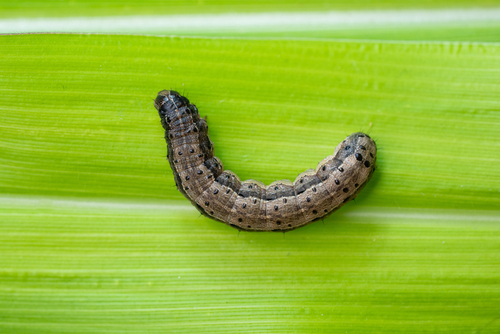
Armyworms are one of the most destructive warm‑season lawn pests in North Alabama, capable of turning a healthy bermuda or zoysia lawn brown in just a few days. If you live in Madison, Huntsville, Athens, Decatur, or surrounding areas, here’s what you need to know to protect your lawn during peak armyworm season.
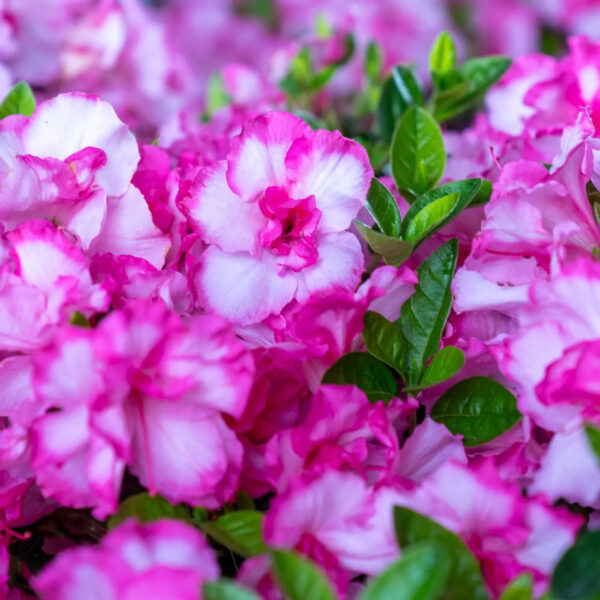
Autumn Kiss Azalea

Autumn Kiss wows with truly unique bicolor blooms, flowers heavily and reblooms season after season. The gorgeous semi-double blooms glow on a compact, rounded habit.

Solverwp- WordPress Theme and Plugin