Pollinator Gardens

Picture of Keith
Keith
Owner

Why Pollinator Gardens Matter

A pollinator‑friendly garden supports bees, butterflies, hummingbirds, and beneficial insects that keep North Alabama’s ecosystems thriving. Our region’s mix of hot summers, mild winters, and periodic droughts makes it especially important to choose plants that are both native and resilient. Healthy pollinator populations improve crop yields, support local wildlife, and create vibrant, low‑maintenance landscapes.

What Makes a Garden Pollinator‑Friendly

  • Native plants — Local species bloom at the right time, handle Alabama’s climate, and provide the nectar and pollen native pollinators evolved to use.

  • Continuous blooms — A mix of spring, summer, and fall flowers ensures food sources all season.

  • Shelter and habitat — Brush piles, leaf litter, hollow stems, and small water sources help pollinators nest and rest.

  • Chemical‑free care — Avoiding pesticides protects bees and butterflies from harmful exposure.

Best Perennial Plants for Pollinators

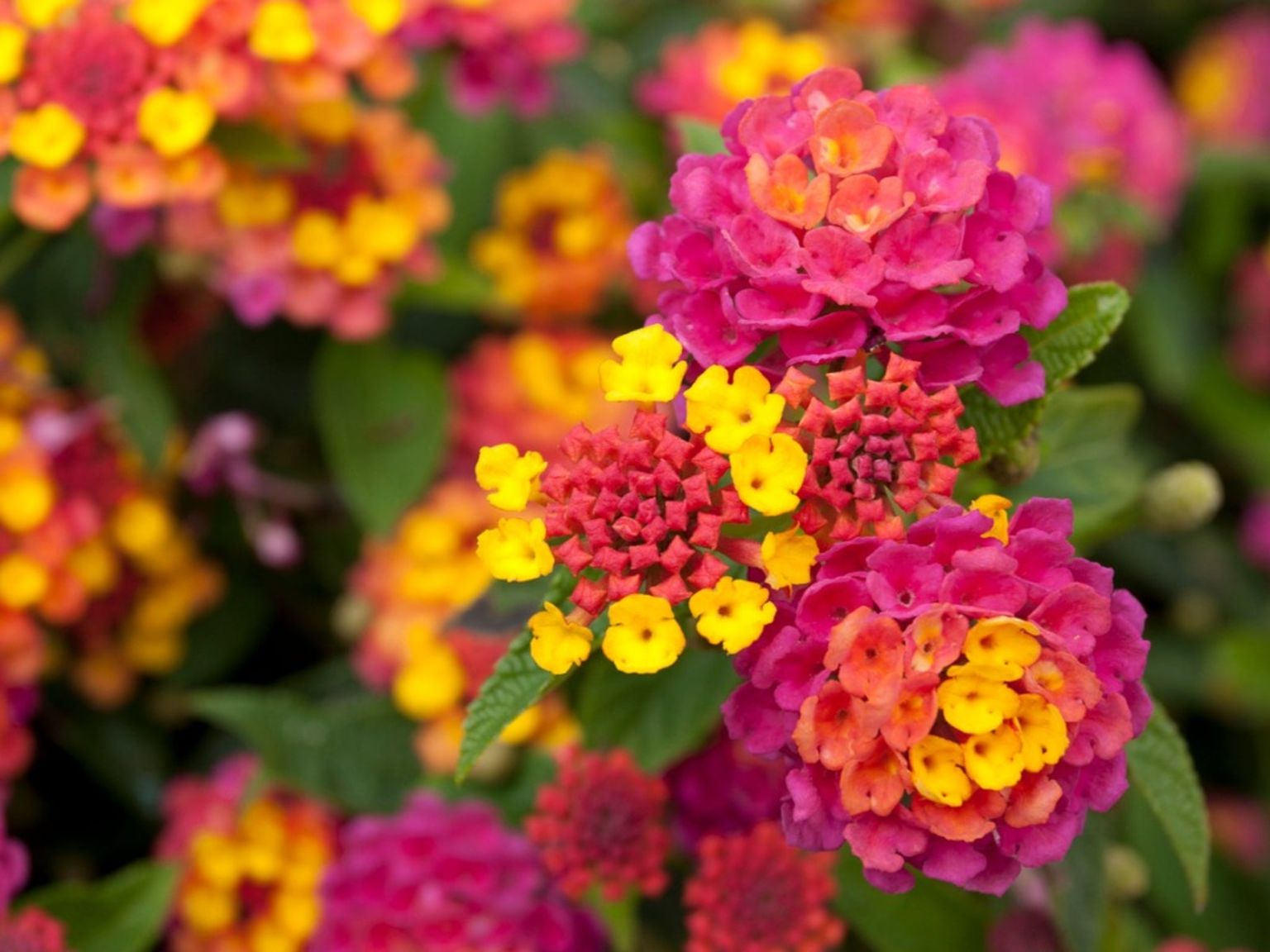
Lantana

Lantana is a sun‑loving, heat‑tolerant flowering shrub known for its clusters of brightly colored blooms that shift shades as they mature. It’s a favorite in North Alabama gardens because it attracts butterflies, thrives in poor soil, and blooms from spring through frost with very little maintenance.

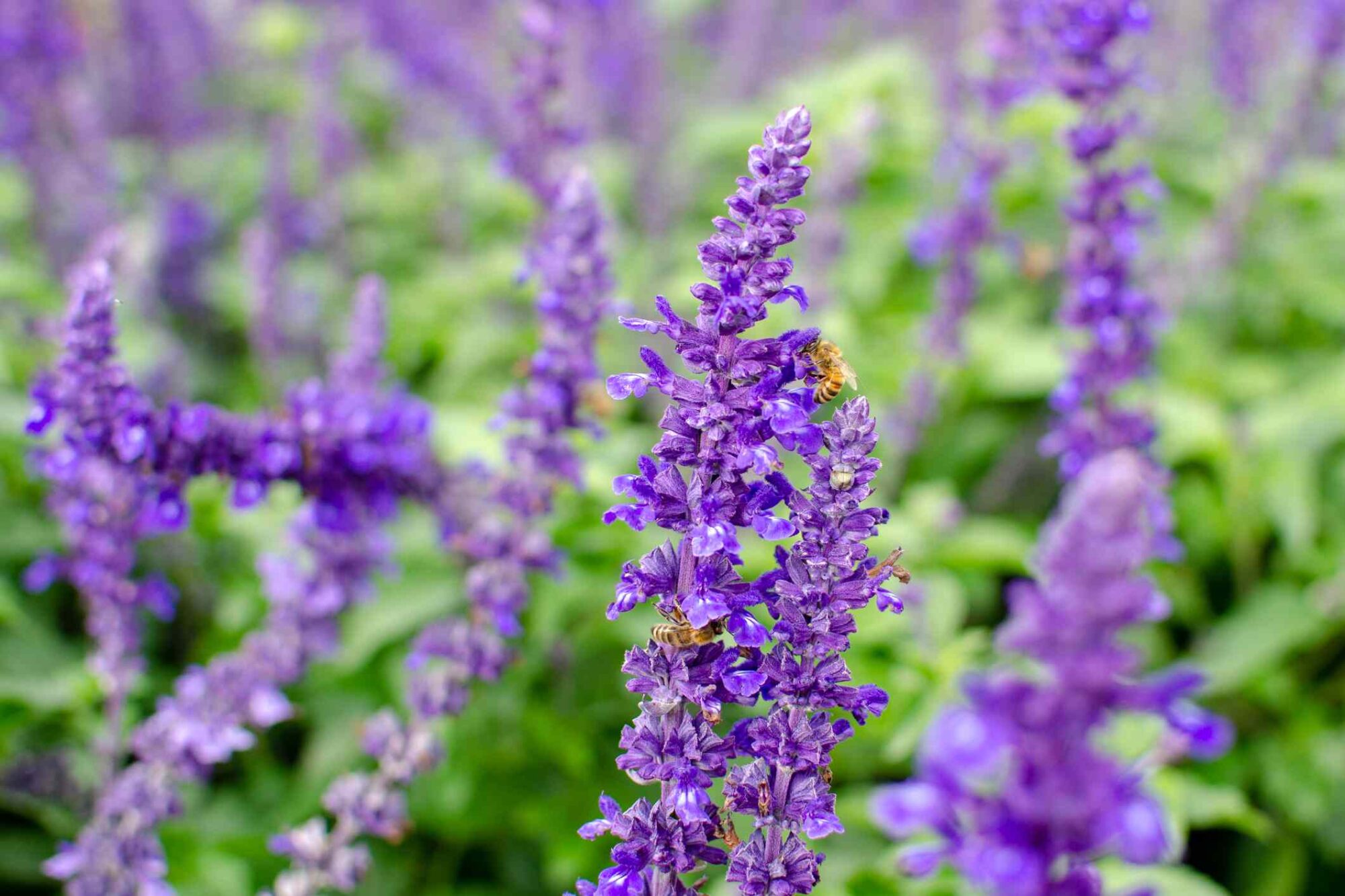
Salvia

Salvia is a vibrant, long‑blooming perennial prized for its spiky flowers and ability to thrive in heat, sun, and dry conditions. It’s a magnet for hummingbirds and pollinators, making it a standout in North Alabama gardens all season.

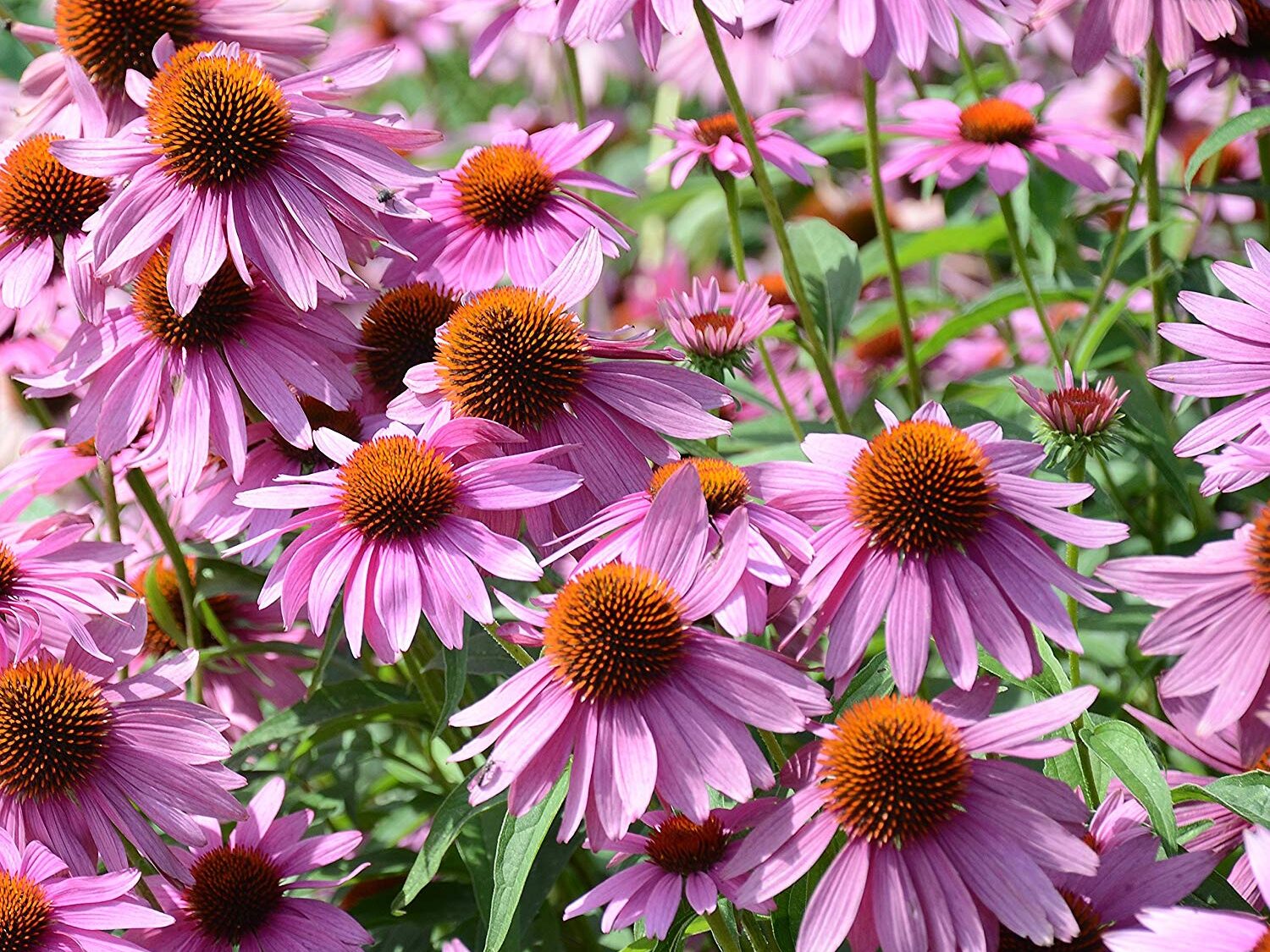
Coneflower

Coneflower is a tough, sun‑loving perennial with bold, daisy‑like blooms and a raised central cone that draws in butterflies, bees, and goldfinches. It thrives in heat, poor soil, and drought, making it a standout pollinator plant for North Alabama gardens.

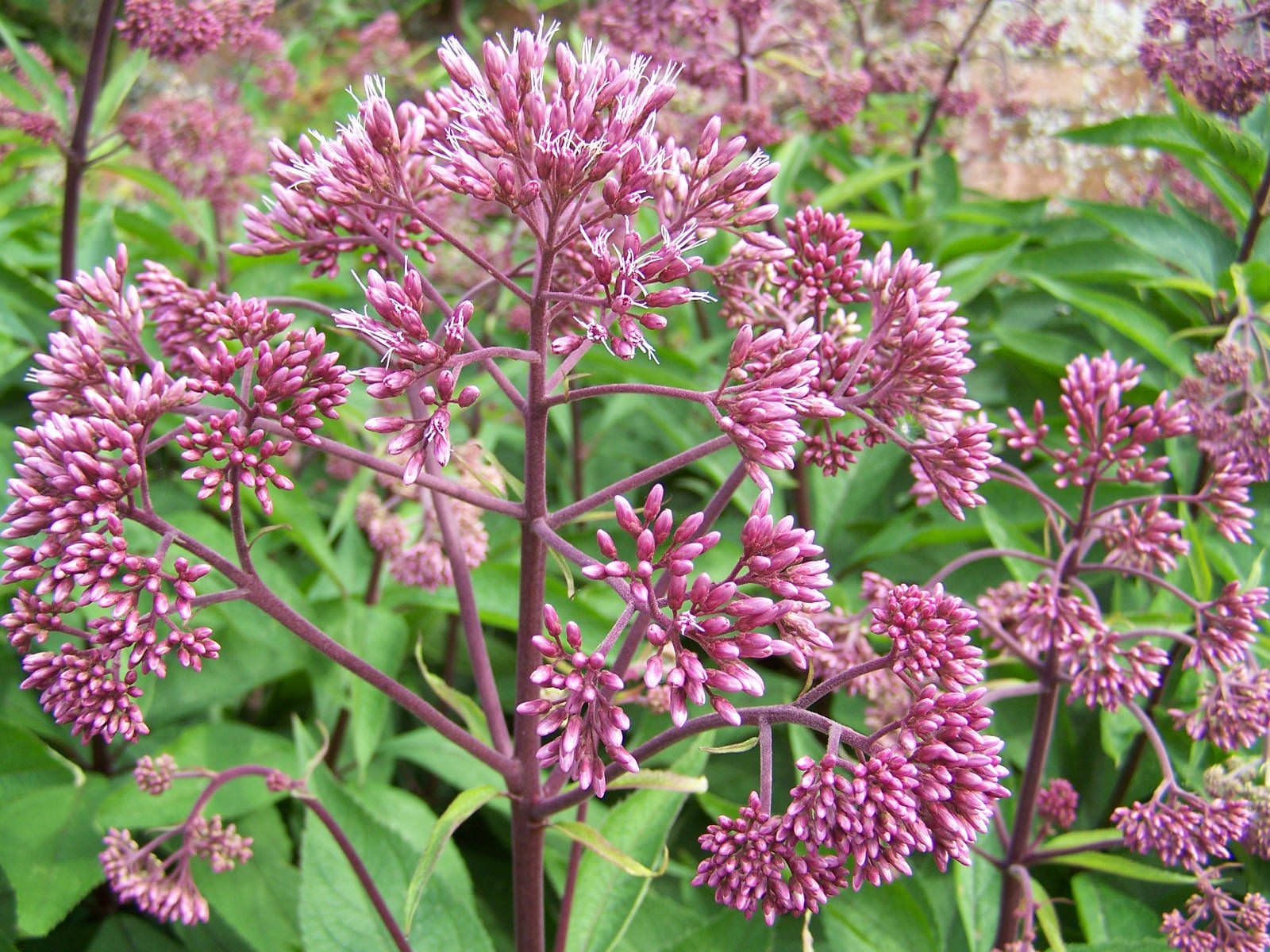
Joe pye Weed

Joe Pye weed is a tall, moisture‑loving native perennial with soft pink‑mauve flower clusters that tower over summer gardens and draw in swarms of butterflies. It thrives in North Alabama’s humid climate, adds height and movement to pollinator beds, and blooms reliably from mid‑summer into fall.

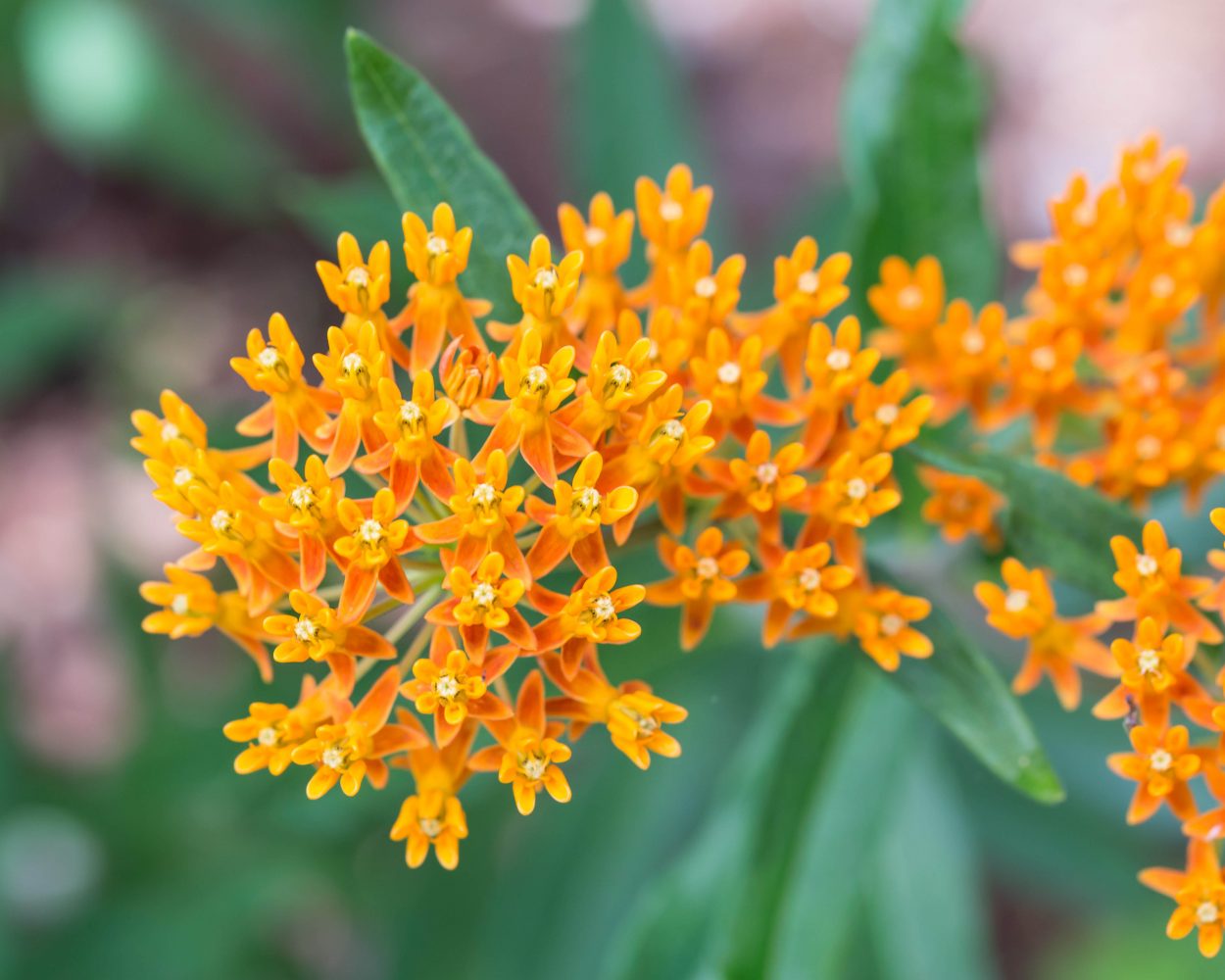
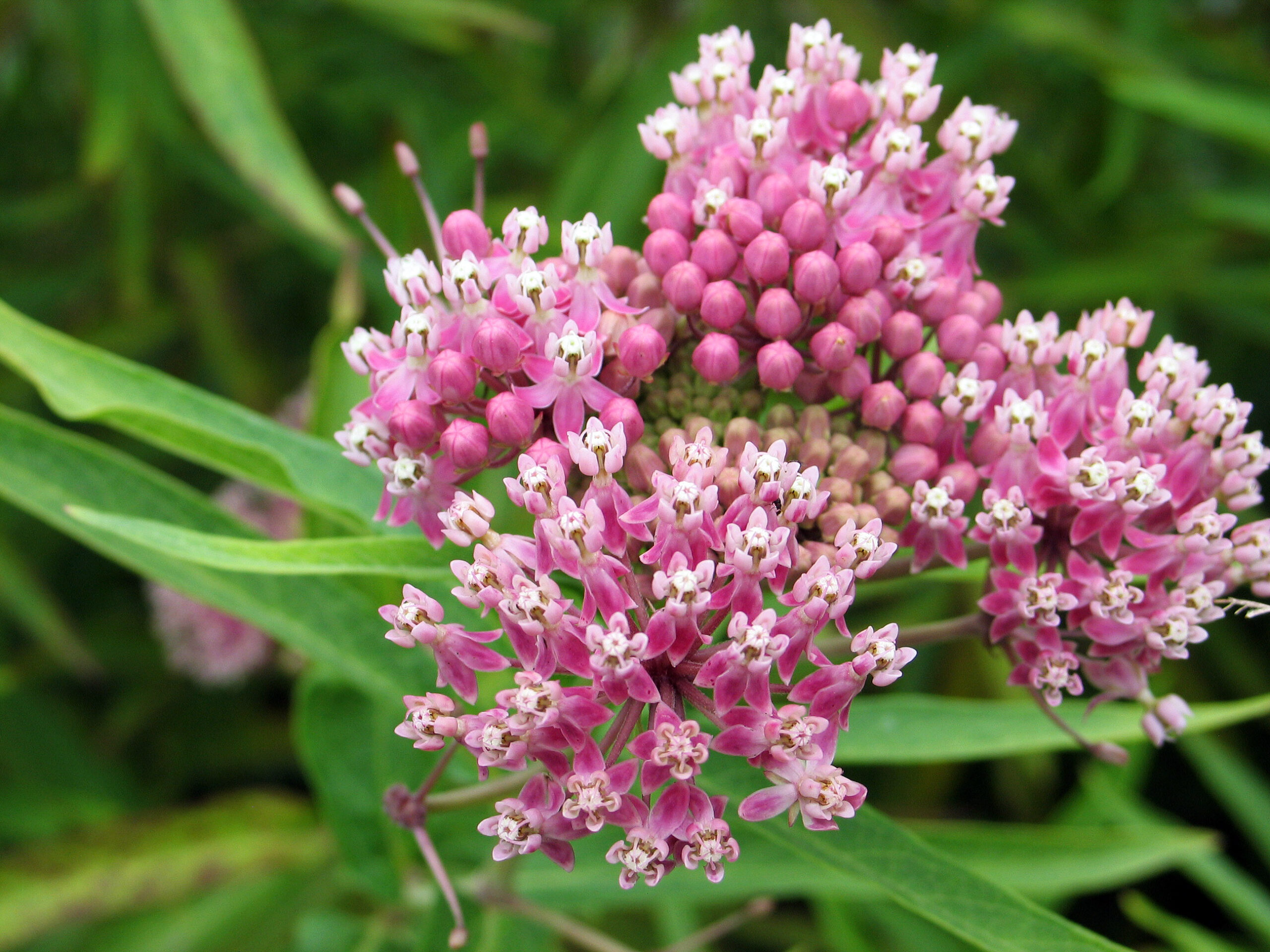
Milkweed

Milkweed is a native, sun‑loving perennial essential for monarch butterflies, offering both nectar-rich blooms and the only host plant where monarchs lay their eggs. It thrives in North Alabama’s heat, supports a wide range of pollinators, and adds upright structure and soft, fragrant flowers to summer gardens.

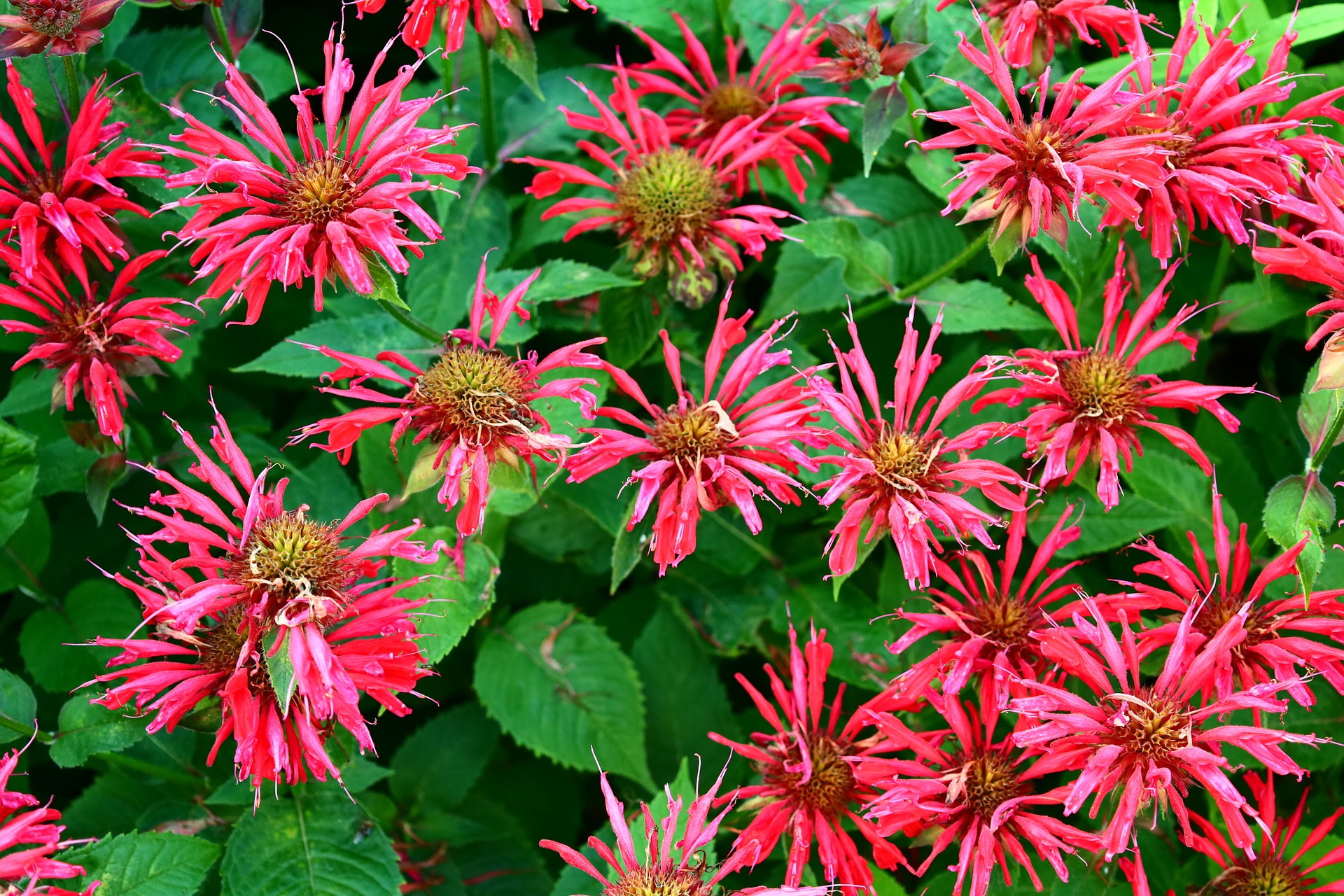
Bee Balm

Bee balm is a fragrant, sun‑loving perennial with shaggy, firework‑like blooms in red, pink, or purple that draw in hummingbirds, bees, and butterflies. It thrives in North Alabama’s heat and humidity, spreads gently, and adds bold color and movement to any pollinator garden.

Trees & Shrubs That Support Pollinators

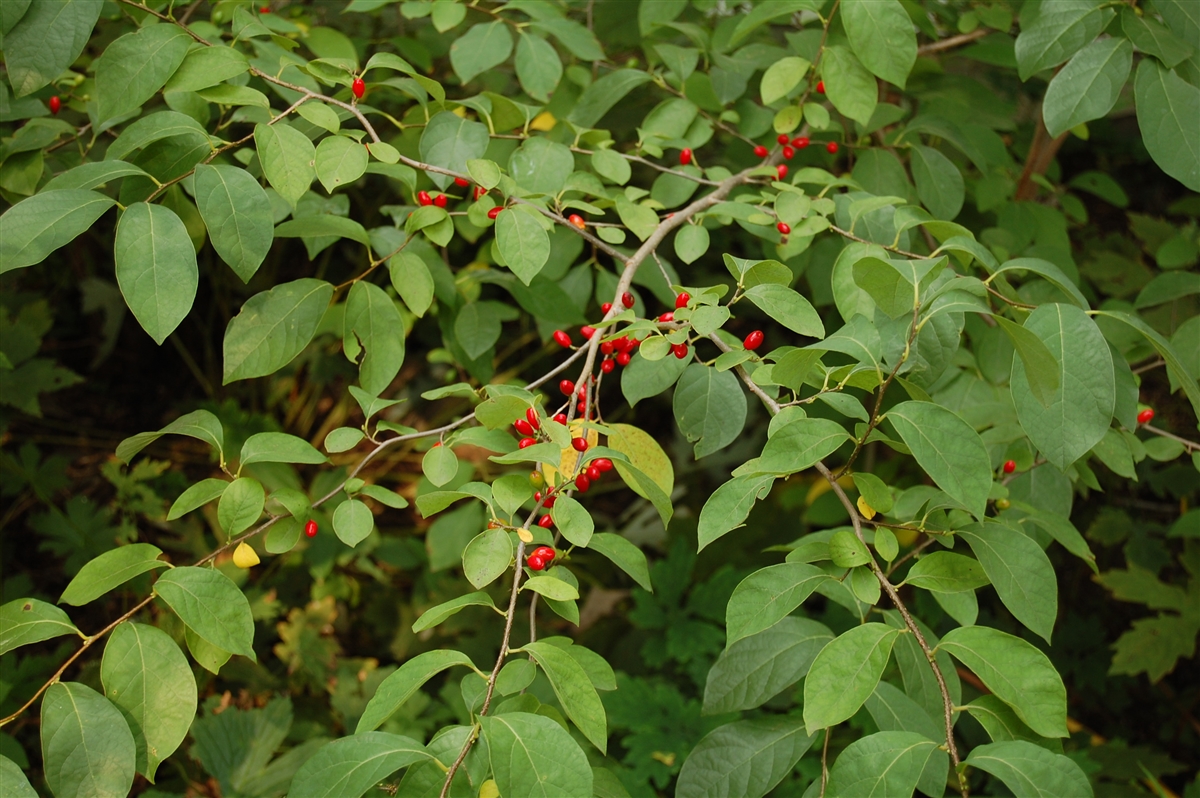
Spicebush

Spicebush is a shade‑tolerant native shrub with glossy leaves and fragrant yellow spring blooms, followed by bright red berries loved by birds. It’s the host plant for the spicebush swallowtail, making it a key wildlife shrub for North Alabama woodlands and pollinator gardens.

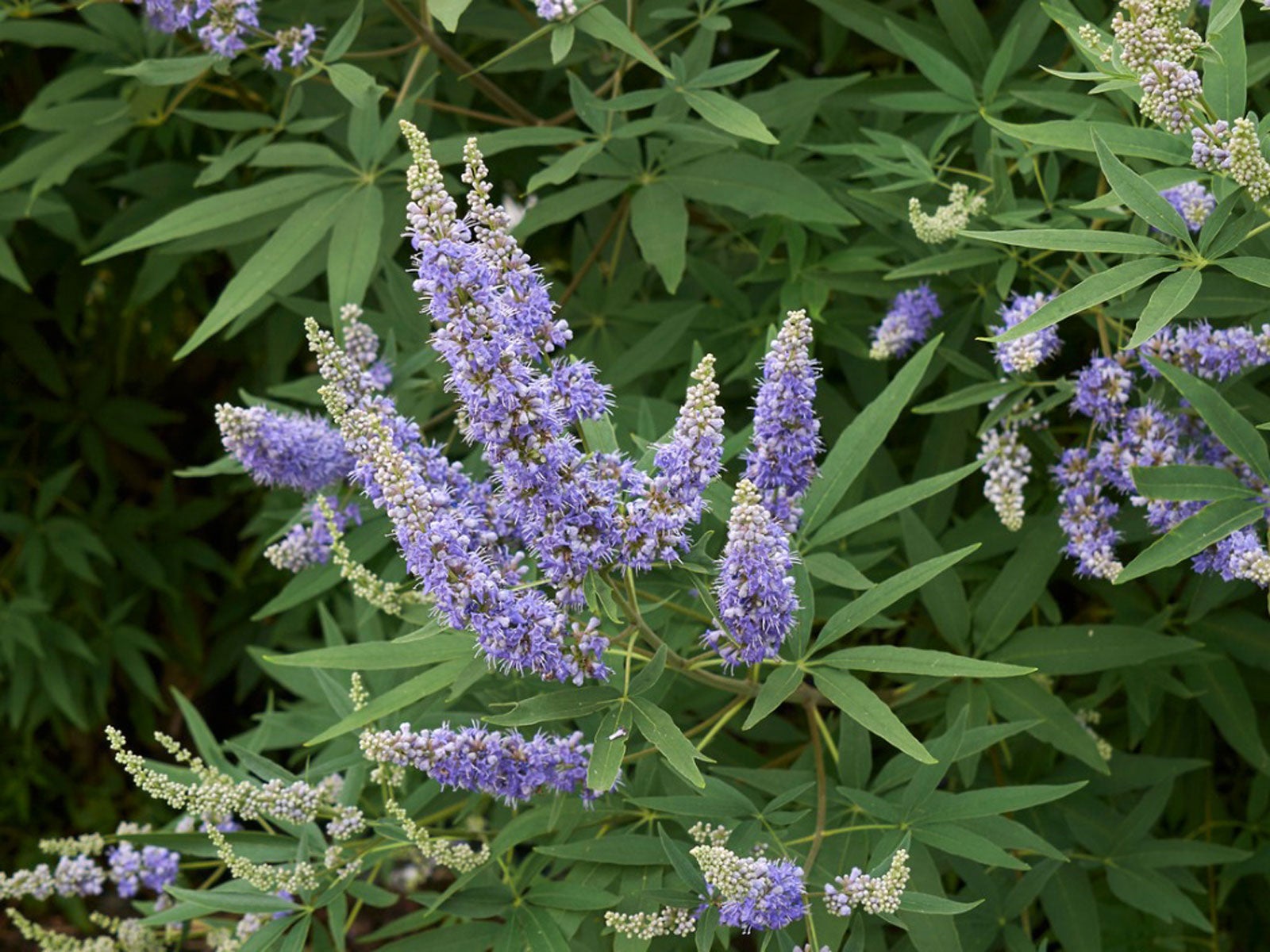
Vitex

Vitex (chaste tree) is a heat‑loving, fast‑growing shrub with long, fragrant purple flower spikes that bloom through summer and draw in bees, butterflies, and hummingbirds. It thrives in full sun, handles drought well, and adds a graceful, airy texture to North Alabama landscapes.

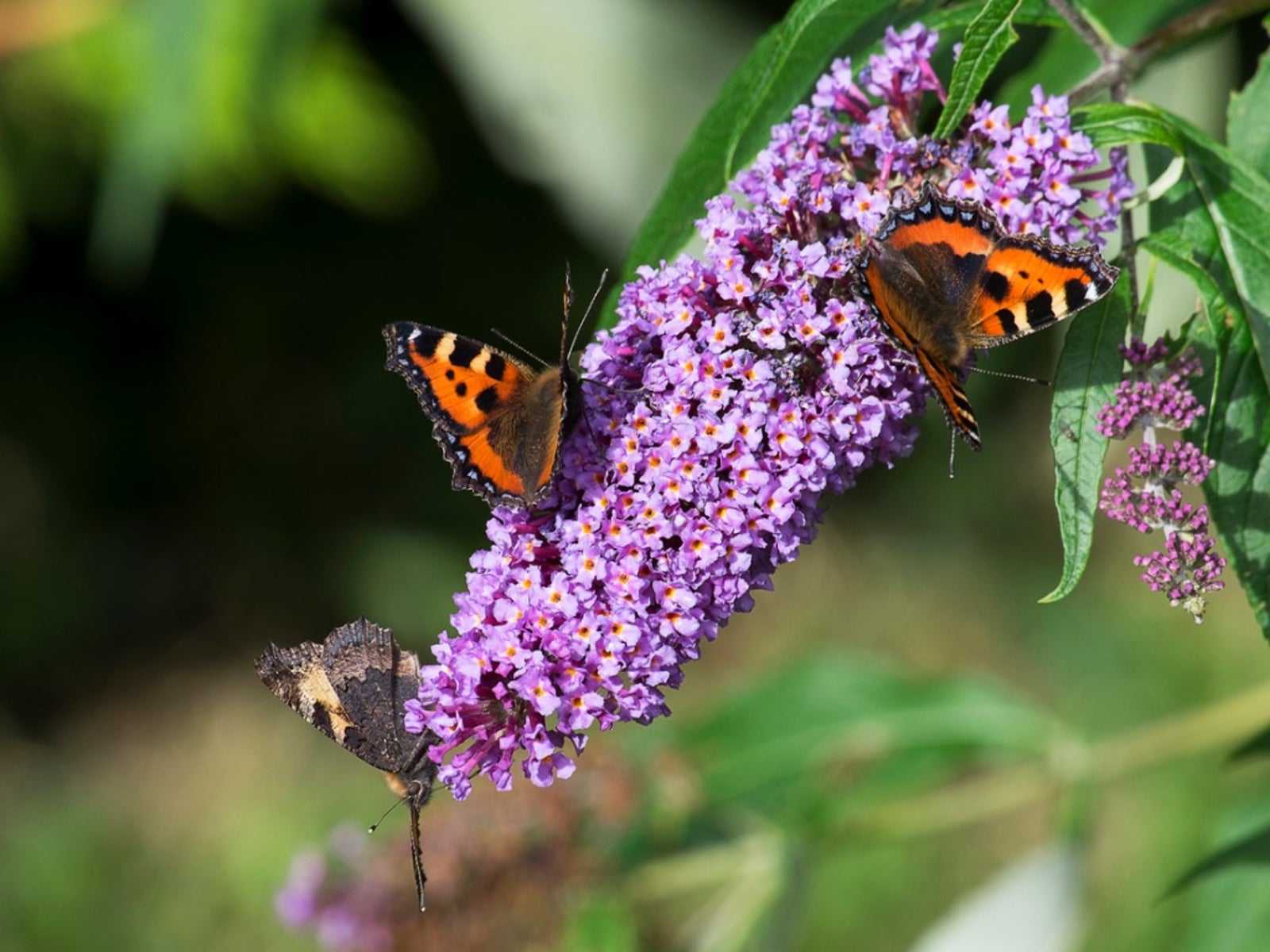
Butterfly Bush

Butterfly bush is a fast‑growing, sun‑loving shrub with long, arching flower spikes in purple, pink, or white that bloom all summer and draw in clouds of butterflies. It thrives in North Alabama heat and drought, adding height, fragrance, and nonstop color to pollinator gardens.

Tips for Long‑Term Success

  • Avoid pesticides — Even “bee‑safe” products can harm beneficial insects.

  • Use mulch sparingly — Too much mulch prevents ground‑nesting bees from accessing soil.

  • Let plants go to seed — Seeds feed birds and support natural reseeding.

  • Add diversity — More plant types mean more pollinator species.

Final Takeaway

A pollinator‑friendly garden in Alabama is vibrant, resilient, and deeply beneficial to the local environment. By choosing native plants, reducing chemicals, and creating habitat, your customers can enjoy a beautiful landscape that actively supports bees, butterflies, hummingbirds, and other essential pollinators.

You might also enjoy

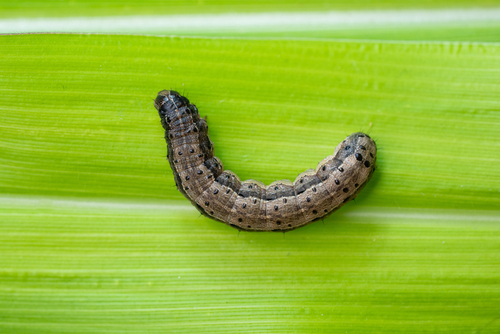
Army Worms in North Alabama

Armyworms are one of the most destructive warm‑season lawn pests in North Alabama, capable of turning a healthy bermuda or zoysia lawn brown in just a few days. If you live in Madison, Huntsville, Athens, Decatur, or surrounding areas, here’s what you need to know to protect your lawn during peak armyworm season.
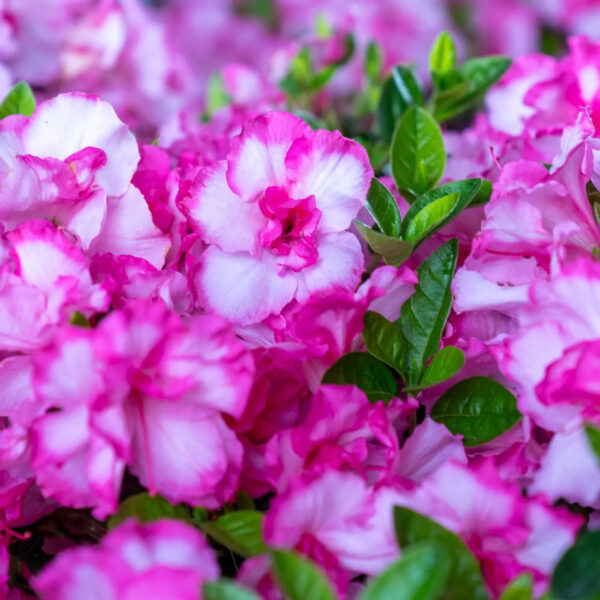
Autumn Kiss Azalea

Autumn Kiss wows with truly unique bicolor blooms, flowers heavily and reblooms season after season. The gorgeous semi-double blooms glow on a compact, rounded habit.

Solverwp- WordPress Theme and Plugin