Army Worms in North Alabama

Picture of Keith
Keith
Owner

Armyworms in North Alabama: How to Identify, Treat, and Prevent Them

Armyworms are one of the most destructive warm‑season lawn pests in North Alabama, capable of turning a healthy bermuda or zoysia lawn brown in just a few days. If you live in Madison, Huntsville, Athens, Decatur, or surrounding areas, here’s what you need to know to protect your lawn during peak armyworm season.

What Are Armyworms?

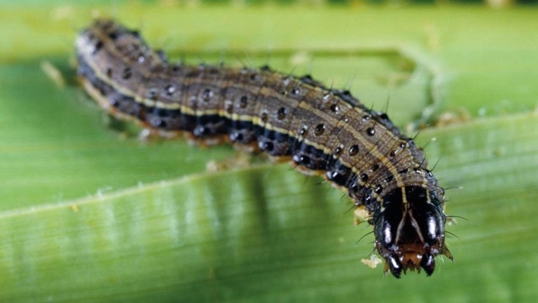
Armyworms are the caterpillar stage of the fall armyworm moth (Spodoptera frugiperda). They thrive in warm, humid weather — exactly what North Alabama experiences from July through October.

How to Identify Them

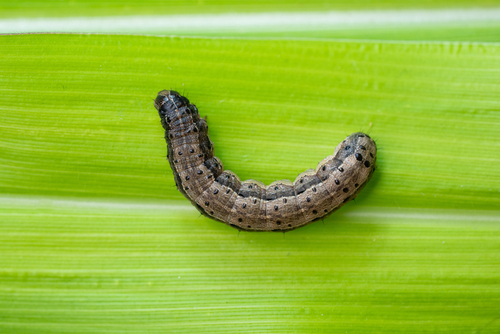
  1. Green, brown, or nearly black caterpillars
  2. A white inverted “Y” marking on the head
  3. Feed at night and hide in the thatch during the day
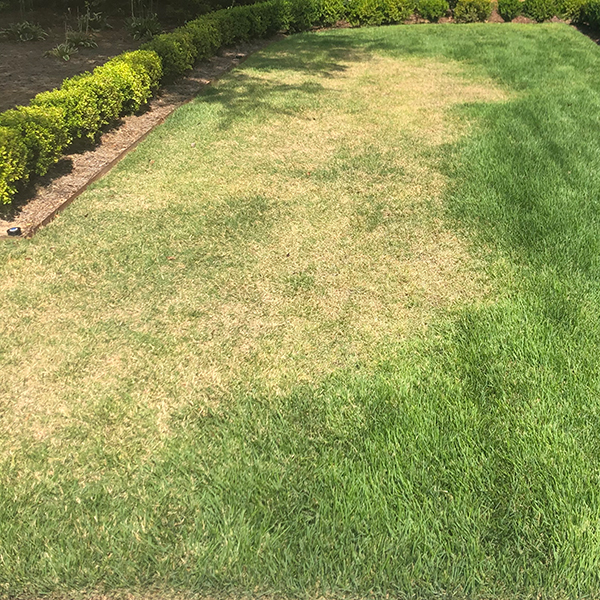
  4. Sudden “scalped” or drought‑like patches in the lawn

Why North Alabama Gets Heavy Infestations

North Alabama’s climate and turf types create ideal conditions:

  • Warm‑season grasses (bermuda & zoysia) are armyworm favorites

  • Humid summers accelerate moth activity

  • Outbreaks often follow thunderstorms or rapid lawn growth

Peak season typically runs late July through early October.

How to Treat Armyworms

  • Armyworms feed at night, so evening treatments are the most effective.
  • Shorter grass helps treatments reach the caterpillars.
  • Bt (Bacillus thuringiensis kurstaki) A natural option that works best on small armyworms and is safe for beneficial insects.
  • Spinosad A stronger organic choice that works on larger caterpillars.
  • Synthetic insecticides Products containing Bifenthrin, Lambda-cyfluthrin, or B-cyfluthrin provide fast control during heavy infestations.
  • Armyworms move in groups. Treating the perimeter helps stop their spread.

Will Your Lawn Recover?

The good news: most warm‑season grasses in North Alabama bounce back within 3–4 weeks. Armyworms eat the blades, not the roots. You may see temporary browning, but new growth usually returns quickly.


Cool‑season grasses like fescue may need overseeding if damage is severe.

How to Prevent Armyworms

  • Mow regularly to discourage moths from laying eggs

  • Avoid overwatering—armyworms prefer lush, overly wet lawns

  • Reduce thatch so caterpillars have fewer hiding places

  • Keep lawn debris and weeds under control

  • Encourage natural predators like birds

  • Apply preventive treatments in April or May if your lawn has had armyworms before

You might also enjoy

Pollinator Gardens

A pollinator‑friendly garden supports bees, butterflies, hummingbirds, and beneficial insects that keep North Alabama’s ecosystems thriving.

Autumn Kiss Azalea

Autumn Kiss wows with truly unique bicolor blooms, flowers heavily and reblooms season after season. The gorgeous semi-double blooms glow on a compact, rounded habit.

Solverwp- WordPress Theme and Plugin